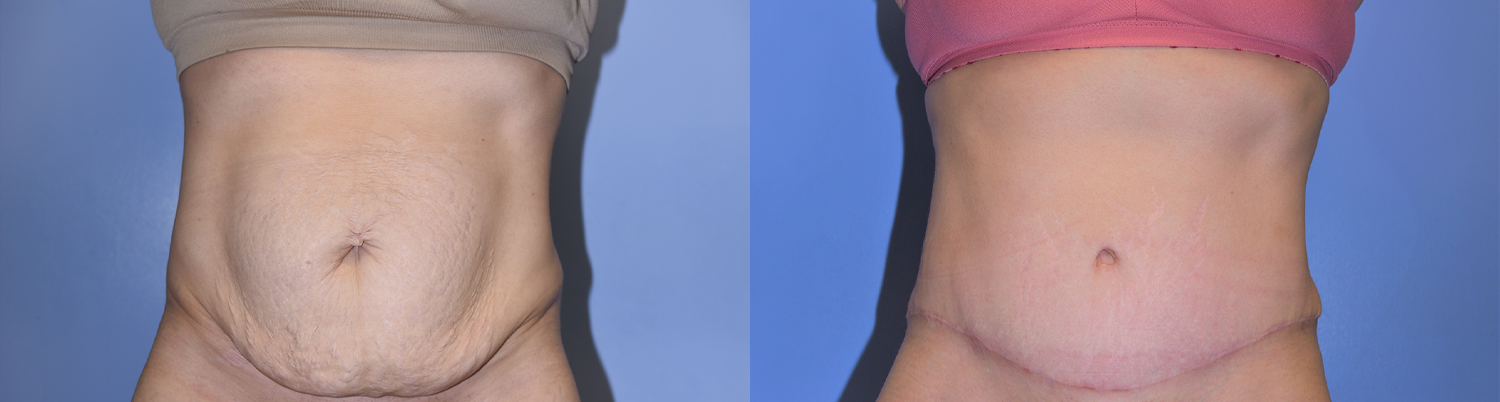
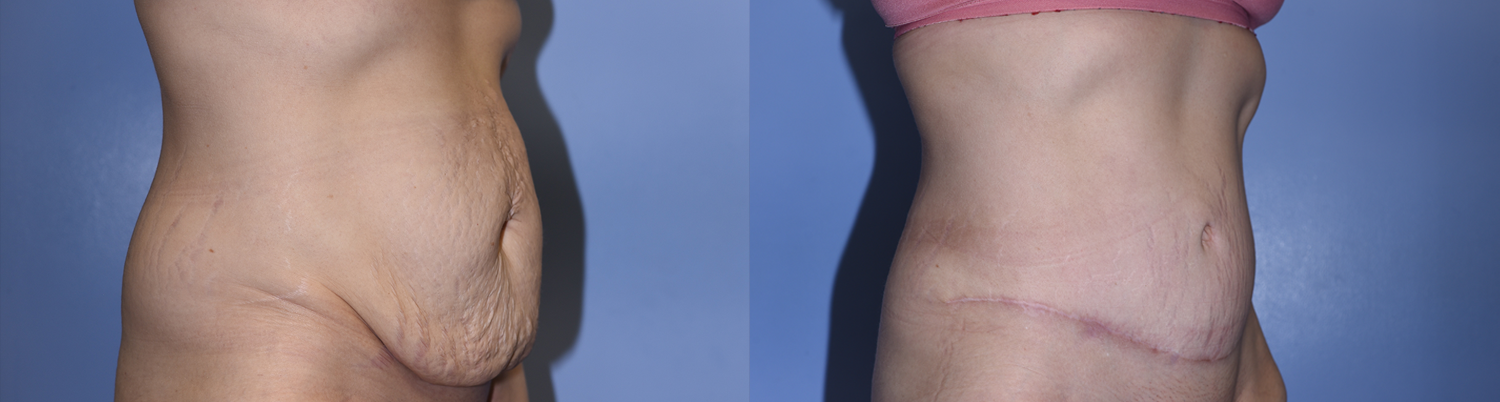
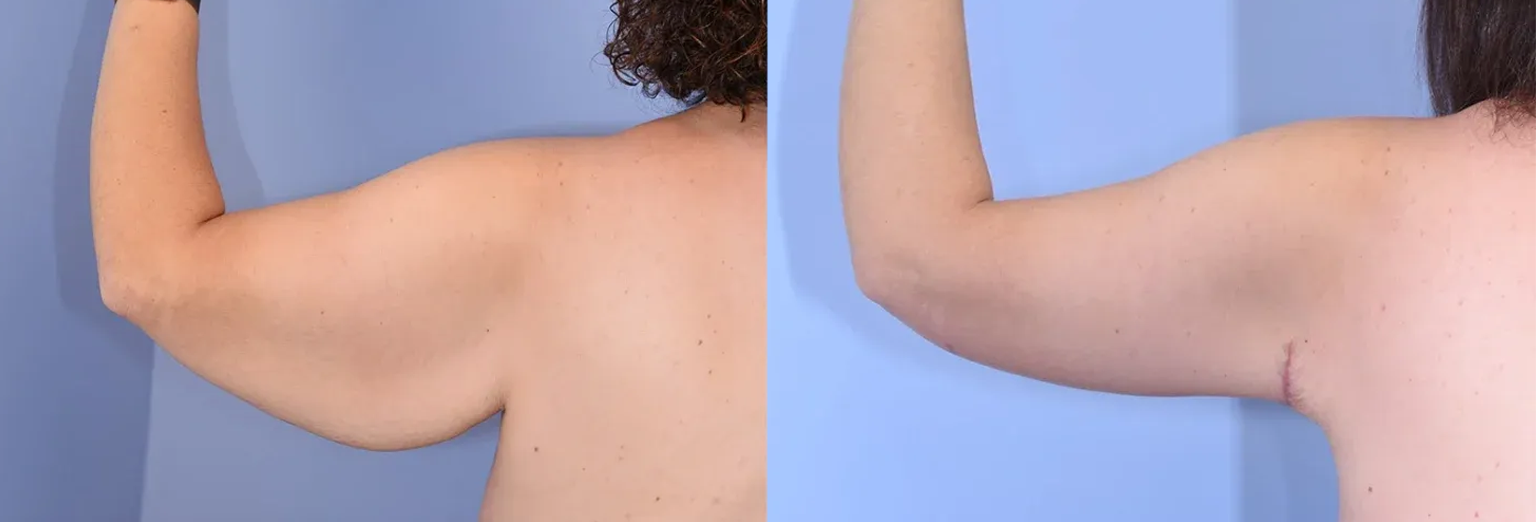
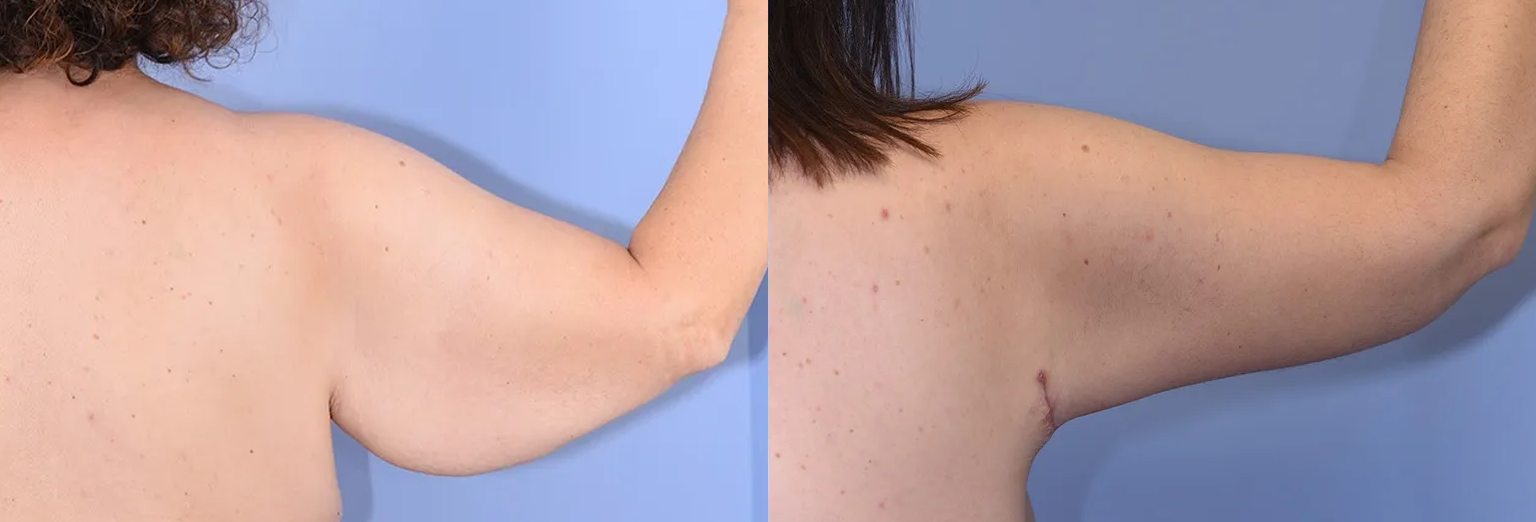
Before + After Gallery
Enlarged breast tissue in men is far more common than most realize — and far more treatable.
| “Many of my patients tell me they’ve felt embarrassed about this for years — sometimes decades. The truth is, gynecomastia is a medical condition, not a personal failing, and effective treatment exists.” |
THE BASICS
Gynecomastia is the benign enlargement of breast tissue in males, resulting from an imbalance between estrogen and testosterone. It can affect one or both breasts and occurs across all age groups — from newborns and adolescents to middle-aged and older men.
It is important to distinguish true gynecomastia (actual glandular breast tissue growth) from
pseudogynecomastia — the appearance of enlarged breasts due to excess fat deposits without glandular involvement. Treatment differs significantly between the two.
| 65% of adolescent boys experience gynecomastia during puberty | 1 in 3 adult men are affected at some point in their lives | #1 reason men seek male breast reduction surgery |
ROOT CAUSES
Gynecomastia stems from a hormonal imbalance — specifically, elevated estrogen relative to testosterone. This can be triggered by a range of factors:
COMMON PATIENT CONCERNS
In practice, patients rarely lead with clinical facts. They come in carrying something heavier — years of self-consciousness, avoidance, and unanswered questions. The most common concerns include:
CLASSIFICATION
Surgeons use grading systems to guide treatment planning. The most widely referenced is the Simon classification:
| Grade | Description | Typical Treatment |
| Grade I | Minor breast enlargement, no skin redundancy | Liposuction ± gland excision |
| Grade IIA | Moderate enlargement, no skin redundancy | Liposuction + gland excision |
| Grade IIB | Moderate enlargement with minor skin redundancy | Surgical excision, possible skin tightening |
| Grade III | Marked enlargement with significant skin redundancy | Excision with skin reduction; possible staged approach |
TREATMENT OPTIONS
There is no one-size-fits-all solution. Treatment depends on the grade, cause, duration, patient age, and goals. Options range from conservative to surgical:
| Observation & Watchful Waiting For adolescent boys with pubertal gynecomastia, the condition often resolves spontaneously within 1–2 years. Reassurance and monitoring are the appropriate first step. NON-SURGICAL ADOLESCENTS GRADE I |
| Medication Adjustment If a specific drug is identified as the cause, discontinuing or substituting it — in coordination with the prescribing physician — may lead to improvement, though established fibrous tissue rarely fully resolves. NON-SURGICAL DRUG-INDUCED EARLY INTERVENTION |
| Medical / Pharmacologic Therapy SERMs such as tamoxifen and raloxifene have shown benefit, particularly in early or tender gynecomastia. Aromatase inhibitors (e.g., anastrozole) are used off-label in some cases. Most effective in the early, proliferative phase. NON-SURGICAL EARLY/ACTIVE PHASE OFF-LABEL USE |
| Liposuction For cases predominantly involving fatty tissue, liposuction — particularly VASER or power-assisted techniques — sculpts the chest with minimal scarring. Small incisions at the areolar border or axilla allow for discreet access. SURGICAL FAT-PREDOMINANT MINIMAL SCARRING |
| Glandular Excision When firm glandular tissue is present, direct excision is required. Typically performed through a periareolar incision, leaving a scar along the lower areolar border that is generally well-concealed. SURGICAL GRADES I–IIB GLANDULAR TISSUE |
| Combined Liposuction + Excision The most common surgical approach. Liposuction reduces the fatty envelope and feathers the edges; direct excision then addresses the glandular core. This combination yields the most natural, masculine chest contour. SURGICAL MOST COMMON GRADES I–IIB OUTPATIENT |
| Skin Reduction Procedures For Grade III or post-massive-weight-loss patients with significant skin excess, additional skin excision is necessary. Techniques range from concentric periareolar patterns to extended incisions. Nipple repositioning may also be needed. SURGICAL GRADE III SKIN EXCESS POST-WEIGHT-LOSS |
AFTER SURGERY
Gynecomastia surgery is typically performed under general anesthesia as an outpatient procedure. Recovery is well-tolerated by most men:
DAYS 1–3
Immediate Post-Op
Mild to moderate discomfort managed with prescribed pain medication. A compression vest is worn continuously. Rest and limited arm movement recommended.
WEEKS 1–2
Return to Light Activity
Most patients resume desk work within 5–7 days. Swelling and bruising are expected. Drain removal if applicable. Continued compression garment use.
WEEKS 3–6
Gradual Activity Resumption
Light cardio permitted around week 3. Upper body resistance training typically resumes at 4–6 weeks with surgeon clearance.
MONTHS 3–6
Final Results Emerging
The majority of swelling resolves and the chest contour becomes apparent. Scars continue to mature and fade over 12–18 months.
CANDIDACY
Ideal surgical candidates share several characteristics:
Age is rarely a barrier. Adolescents whose gynecomastia persists beyond age 17–18 and is causing significant psychosocial distress may also be considered, with parental consent.
| Ready to Take the Next Step? A private consultation is the best way to understand your options. Every case is unique — and you deserve a personalized plan. Schedule a Consultation → |
Medical Disclaimer: This blog post is intended for general educational purposes only and does not constitute medical advice. Individual results vary. Consult with a board-certified plastic surgeon to discuss your specific situation, risks, and expected outcomes. All surgical procedures carry inherent risks including infection, scarring, asymmetry, changes in nipple sensation, and the need for revision surgery.