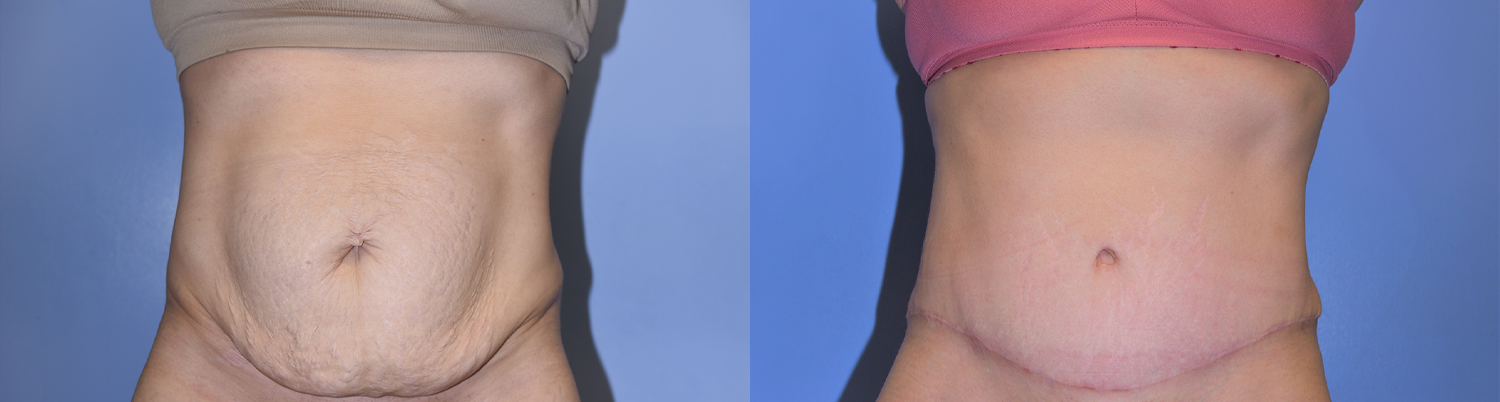
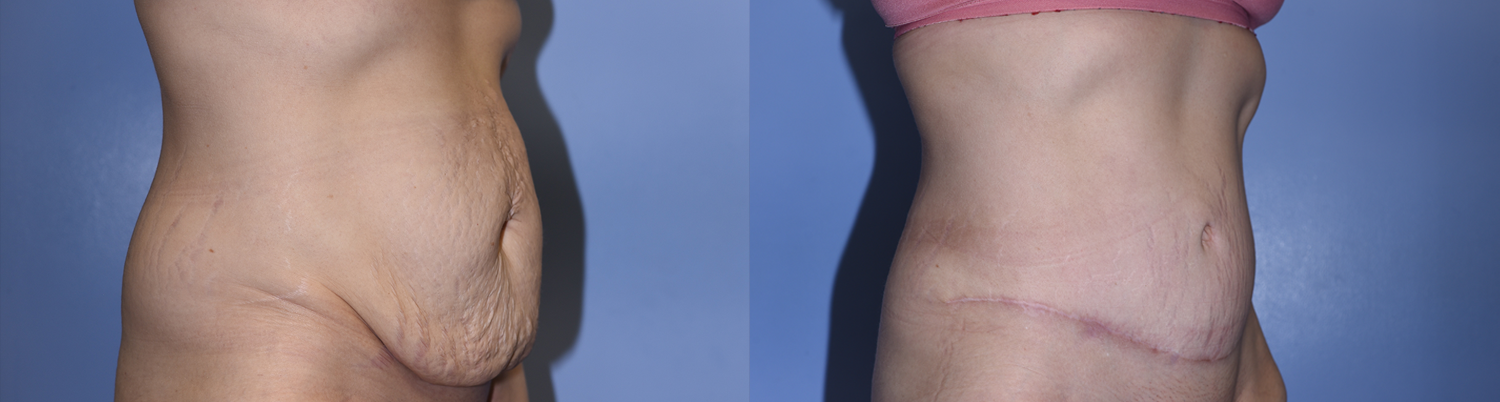
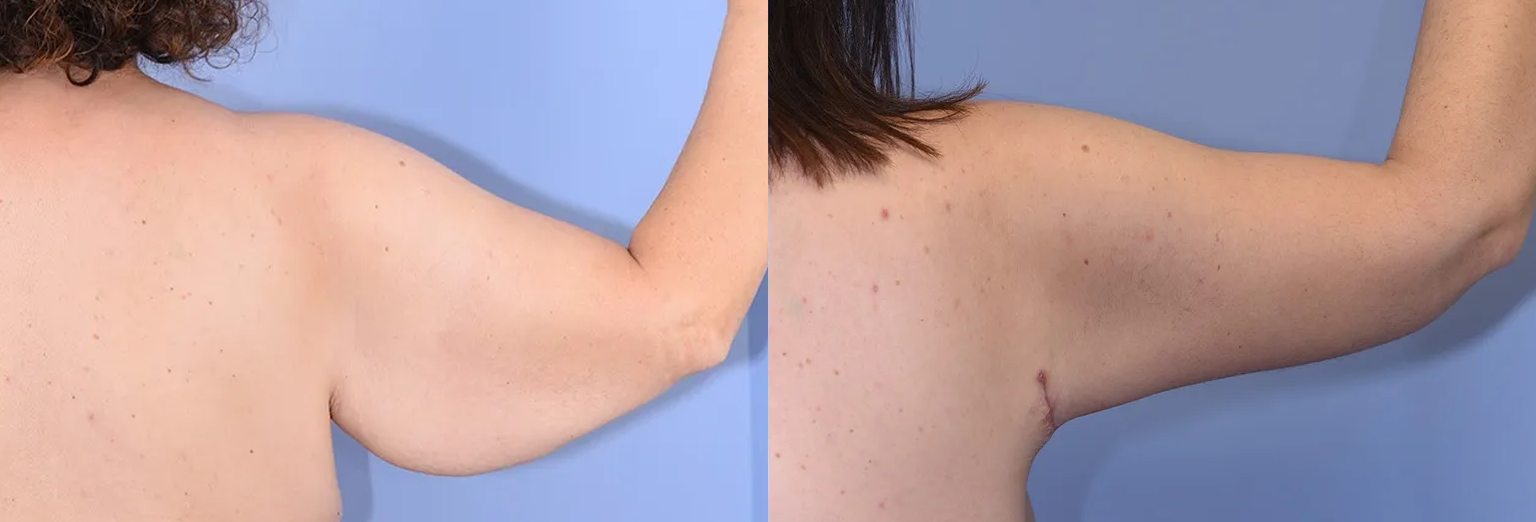
Before + After Gallery
Cosmetic treatments are more available than ever. Med spas, dermatology offices, dental practices, and physicians from many specialties now offer everything from injectables to liposuction to full surgical procedures. That access can be a good thing. But it also makes one question more important than ever: who is actually qualified to do the procedure you’re considering?
Here’s what “board-certified plastic surgeon” really means, how it compares with other providers, and the questions I’d encourage anyone to ask before booking.
The phrase gets used loosely, so it’s worth being precise. A board-certified plastic surgeon has been certified by the American Board of Plastic Surgery (ABPS), the only board recognized by the American Board of Medical Specialties (ABMS) to certify surgeons in plastic surgery of the entire body.
To earn that certification, a surgeon must:
That training covers both cosmetic and reconstructive surgery of the face, breasts, and body, along with managing complications when they happen.
This is where patients sometimes get confused. A physician can be legitimately board-certified in a specialty, such as family medicine, emergency medicine, OB/GYN, or dermatology, and still legally perform cosmetic procedures outside that specialty. Some providers also hold certifications from boards that aren’t recognized by the ABMS for plastic surgery.
None of that is necessarily a red flag on its own, and many of these physicians are excellent in their own fields. But it’s reasonable to ask: “Board-certified by which board?” and “What formal surgical training do you have in this specific procedure?”
Trained in surgery of the entire body, both cosmetic and reconstructive. Best suited for surgical procedures such as tummy tucks, breast surgery, facelifts, rhinoplasty, and body contouring.
Some specialists are highly trained in a specific region. For example, facial plastic surgeons (certified through otolaryngology and facial plastic surgery boards) or oculoplastic surgeons for the eyelids. Their expertise is real, but it’s usually focused on a particular area of the body.
Some physicians shift into cosmetic work through shorter courses or weekend trainings. The depth of hands-on surgical training can vary widely.
Nurses, physician assistants, and aestheticians can provide excellent non-surgical care such as injectables, lasers, and skin treatments when properly trained and supervised. The key questions are who is supervising them and how complications are handled.
Most procedures go well. But when something unexpected happens, training and preparation matter most. A board-certified plastic surgeon is trained to recognize and manage complications, to know when a procedure isn’t right for a patient, and to plan surgery with safety as the first priority.
It also matters for results. Surgical training in anatomy, proportion, and tissue handling shapes how natural and durable an outcome looks years down the road.
Ask where your procedure will be performed. Surgery should take place in an accredited facility (for example, one accredited by AAAASF, AAAHC, or The Joint Commission) or a licensed hospital or surgery center. It’s also worth asking whether your surgeon holds hospital privileges to perform the same procedure. Hospitals review a surgeon’s training before granting those privileges, which offers an extra layer of verification.
A qualified surgeon will welcome these questions.
You don’t have to take anyone’s word for it. You can check a surgeon’s certification on the American Board of Plastic Surgery website (abplasticsurgery.org) or through the ABMS’s Certification Matters tool. The North Carolina Medical Board also lets you look up a physician’s license and history.
Price and convenience matter, but for anything surgical, training should be the first filter. The right provider will be transparent about their credentials, honest about what a procedure can and can’t do, and focused on your safety as much as your results.
If you’re in the Lake Norman area and exploring cosmetic surgery, we’d be glad to answer your questions. Contact Lake Norman Plastic Surgery to schedule a consultation.
This article is for general educational purposes and isn’t a substitute for a personal medical consultation.