for Post-Bariatric Body Contouring
One of the most common questions we hear from massive-weight-loss patients is simple: “Will insurance cover this?” The honest answer is that it depends entirely on which procedure you’re asking about — and understanding that distinction early saves patients a lot of frustration later.
The Core Distinction: Functional vs. Cosmetic
Insurance coverage in body contouring almost always comes down to one question: is the procedure correcting a functional medical problem, or is it reshaping the body for aesthetic reasons?
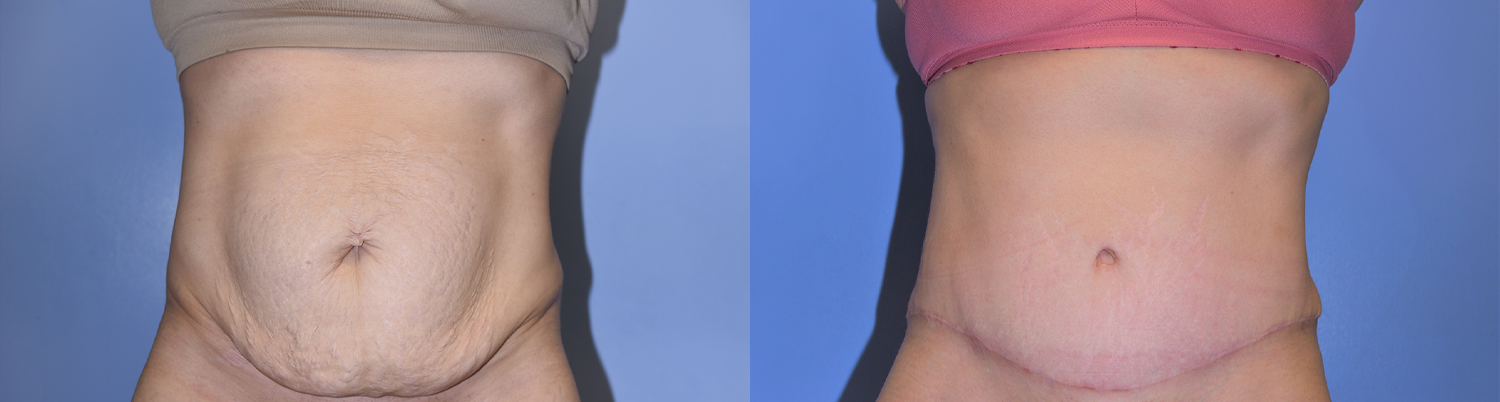
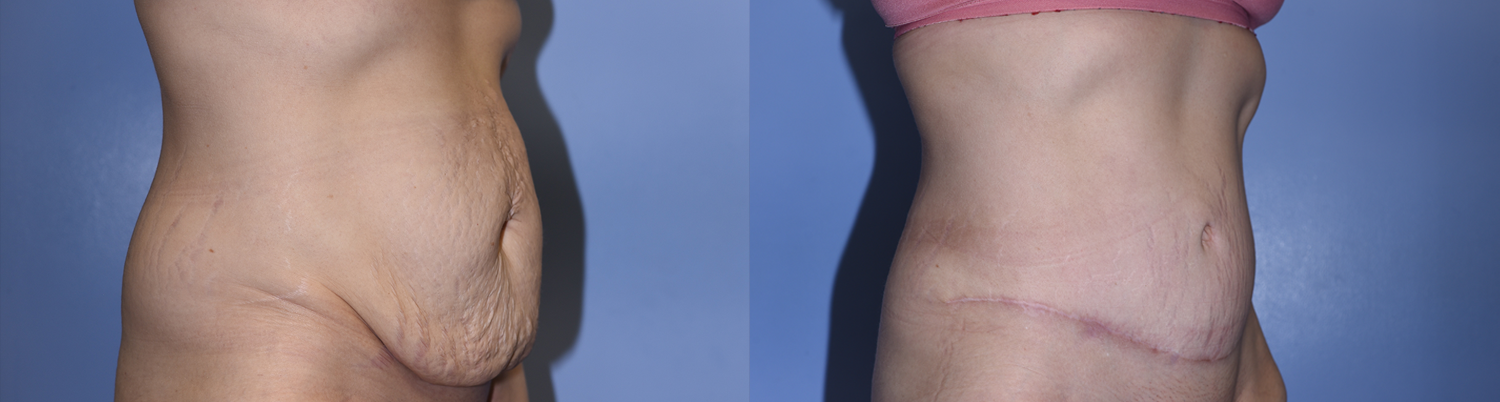
- Panniculectomy is the one procedure in this category that sometimes meets insurance criteria for medical necessity, because it can be tied to a documented functional problem — recurring skin infections (intertrigo), chronic rashes, cellulitis, skin breakdown, or hygiene and mobility limitations caused by the overhanging panniculus.
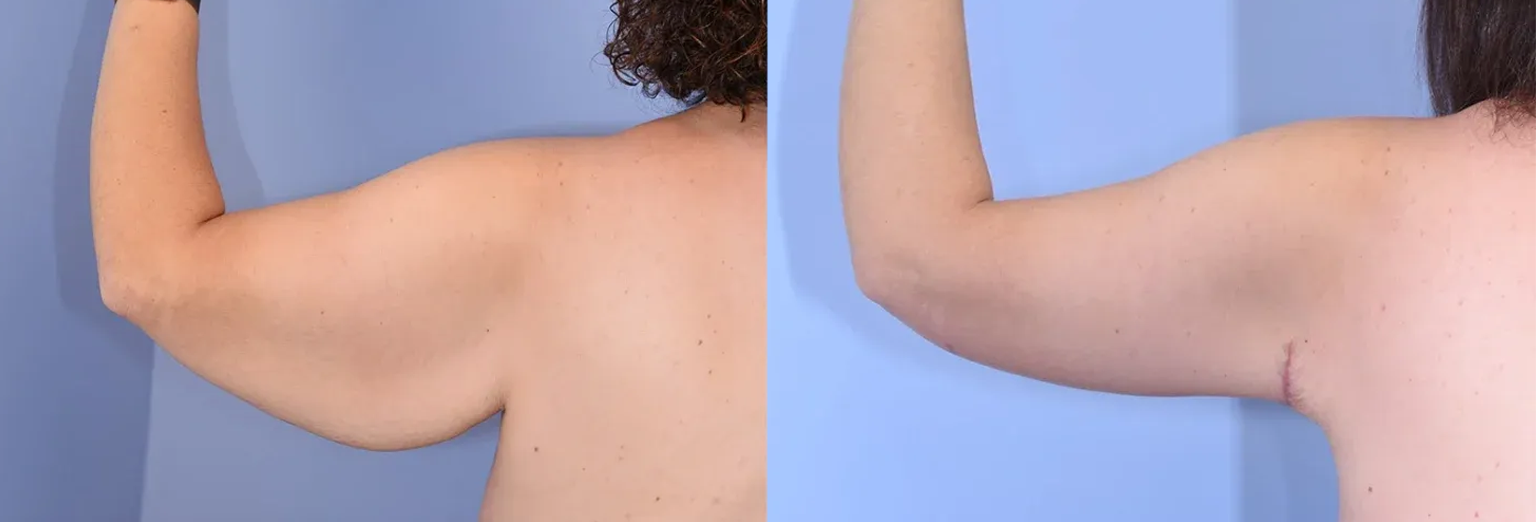
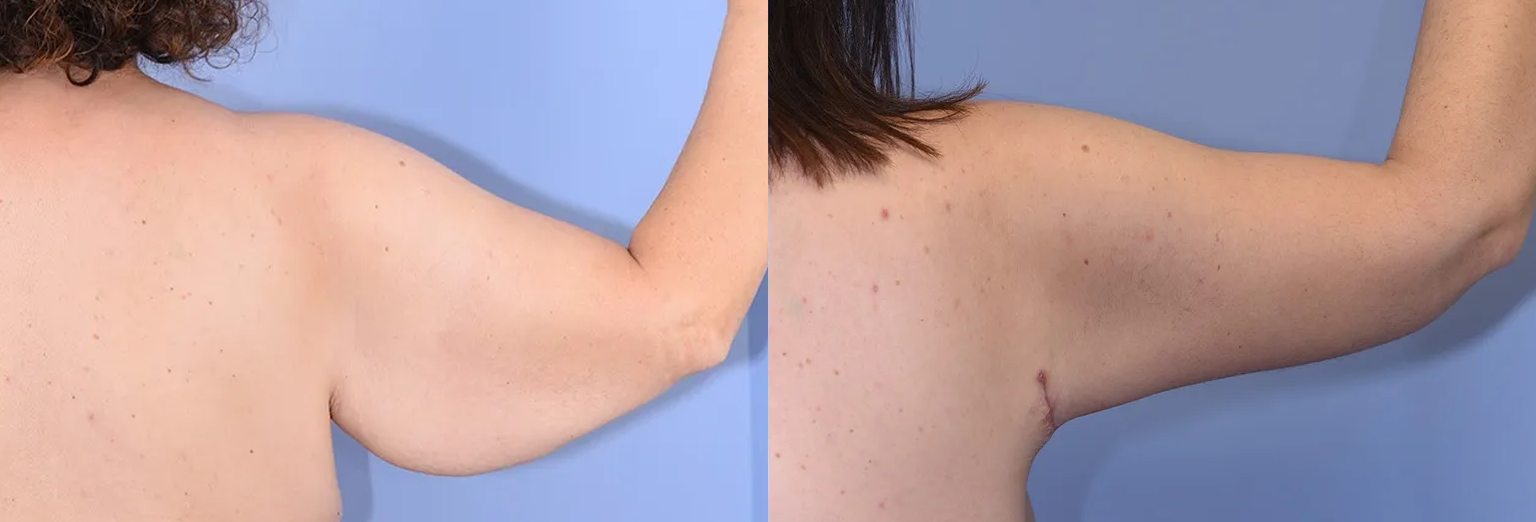
- Abdominoplasty, extended/fleur-de-lis abdominoplasty, lower body lift, thigh lift, brachioplasty, and most breast lift/reduction procedures are generally classified as cosmetic or reconstructive-but-elective, and are typically not covered — even after massive weight loss and even when the excess skin is significant. Muscle plication and aesthetic shaping, which are central to these procedures, fall outside most insurers’ definition of medical necessity.
We tell patients this up front because it shapes the whole planning conversation: most of the body contouring that patients actually want — the reshaping, not just the removal — is going to be an out-of-pocket, elective decision. Planning for that early, including financing options, avoids a lot of mid-process disappointment.
What Documentation Actually Supports a Panniculectomy Claim
For the subset of patients pursuing panniculectomy on functional grounds, insurers typically want to see:
- Photographic documentation of the panniculus and any associated skin conditions, usually taken in-office over time.
- A documented history of skin issues — rashes, infections, ulceration, or breakdown — ideally with dates, treatments tried, and outcomes.
- Evidence of failed conservative treatment, such as topical medications, specific hygiene regimens, or weight management, showing the problem persists despite non-surgical measures.
- Stable weight for a defined period, commonly 6–12 months, confirmed with weight records.
- BMI and panniculus measurement, often requiring the panniculus to extend to or below the pubic symphysis or a specified measurement threshold, depending on the payer.
- Primary care or specialist referral letters corroborating the functional impact (e.g., dermatology notes on recurrent infection, or documentation of impact on mobility or activities of daily living).
- Bariatric surgery records, if applicable, showing the weight loss history and any surgical clearance.
Missing or thin documentation is the single most common reason panniculectomy authorizations are delayed or denied — not the underlying clinical picture itself.
The Pre-Authorization Process, Briefly
- Clinical evaluation and photo documentation at the initial consultation.
- Letter of medical necessity drafted by the surgeon, referencing the specific insurer’s published criteria where available.
- Submission for pre-authorization, which can take anywhere from a few weeks to over a month depending on the payer.
- Appeal, if denied — a first denial is common and not necessarily final; a well-documented appeal with additional records often succeeds where the initial submission didn’t.
Setting expectations with patients that this process has a timeline — and isn’t guaranteed regardless of how compelling the clinical picture is — prevents a lot of frustration.
Setting Expectations for Combined Cases
It’s common for a patient to have both a functional issue (supporting panniculectomy) and a strong aesthetic goal (supporting abdominoplasty or a body lift) in the same area. In these cases:
- The functional component may be documented and submitted for insurance consideration.
- The aesthetic component — muscle repair, skin tightening beyond the panniculus, contouring — is billed separately as an elective, out-of-pocket portion.
Patients should understand this split clearly before surgery, including which portion insurance may or may not ultimately approve, so there are no surprises on the final bill.
The Bottom Line
Insurance coverage in post-bariatric body contouring is narrow, and it applies almost exclusively to panniculectomy under specific, well-documented functional criteria — not to the broader reshaping procedures (abdominoplasty, body lift, thigh lift, arm lift, breast lift) that most patients are actually seeking. Clear documentation, honest timelines, and upfront conversations about what’s elective versus what might be covered are what make this process manageable for patients rather than a source of ongoing frustration.
This post is for general educational purposes and does not guarantee coverage outcomes, which vary by insurer, plan, and individual clinical circumstances.